Why circularity gap Matters

The planet supplies more than 300 billion tonnes of natural resources each year, yet we consume about 500 billion tonnes of virgin materials annually. This imbalance stems from the prevailing linear economy model: extract, use, and discard.

Why We Need Change

This approach is unsustainable. To secure a lasting future, we must move away from the take-make-dispose system and transition toward a circular economy that keeps materials and resources in active use for as long as possible.

Key Statistics

500B

tonnes of virgin materials
consumed annually

6.9%

global materials
reused or repurposed

93%

materials wasted
after a single use

Strategic Importance of Circularity Gap for Business

Ignoring the need for change exposes businesses to long-term risks and threatens the sustainability of our planet. Increasing supply-chain volatility, tighter regulations, and evolving expectations from investors all point to the necessity of circular, resilient strategies.

Why Action Is Essential

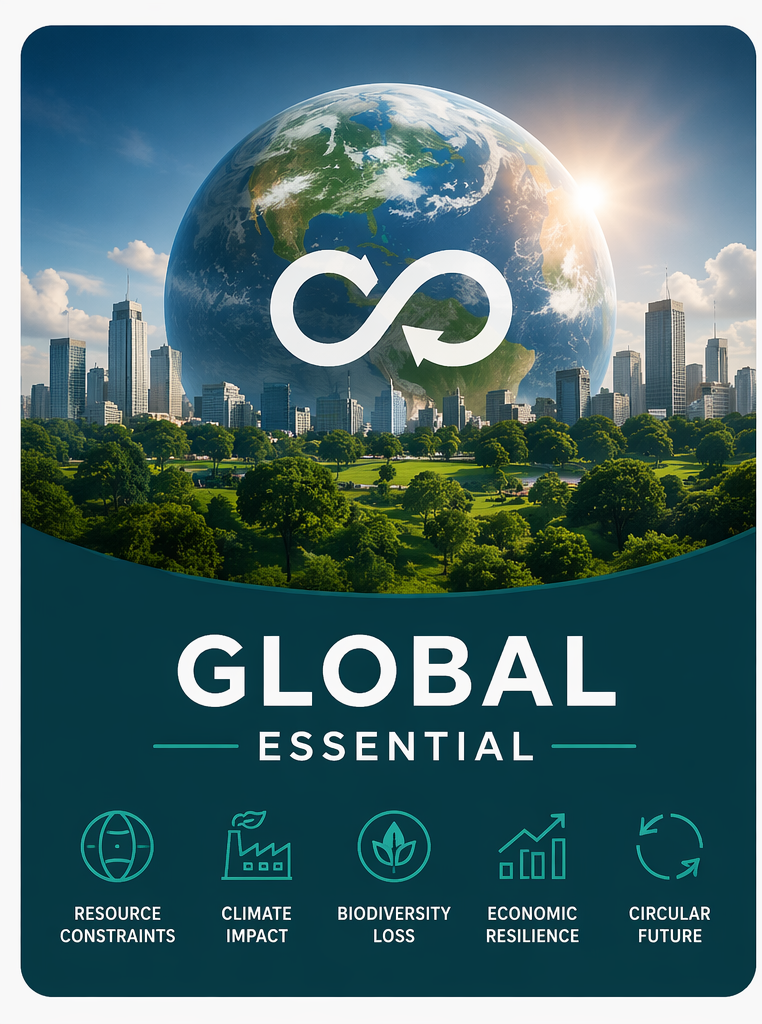
Global

Global

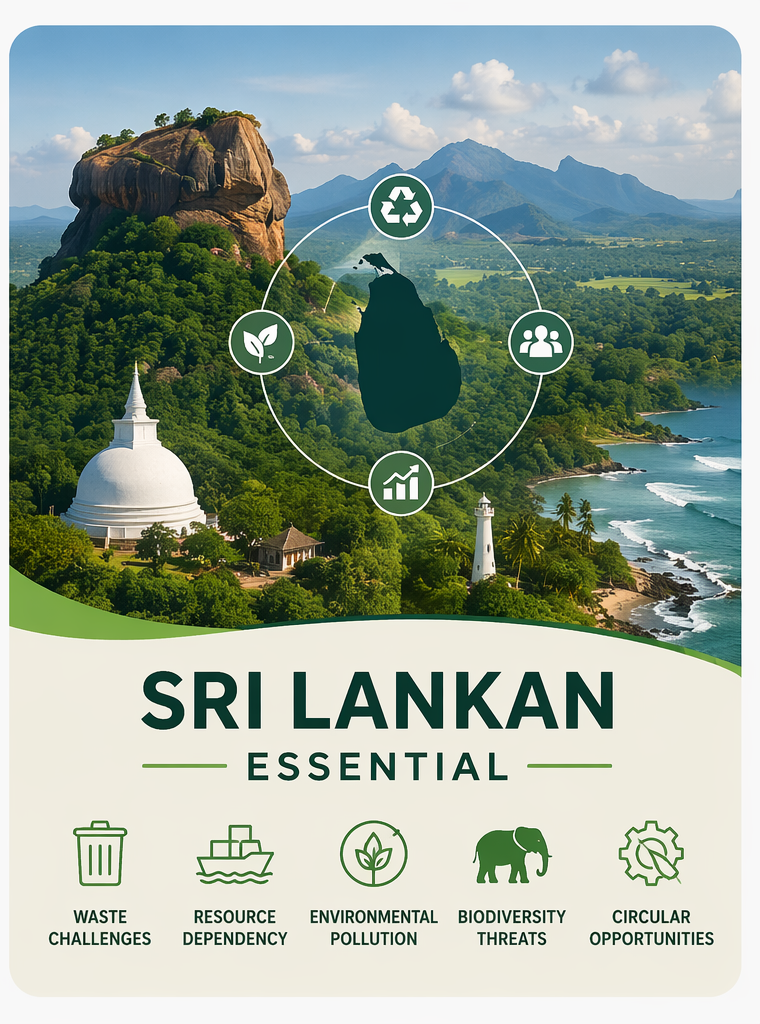
Sri Lankan

Sri Lankan

  • Global material extraction exceeds 300 billion tonnes annually, with only about 7% reused.
  • Circularity declined from 9.1% (2018) to 6.9%.
  • Material use contributes significantly to greenhouse gas emissions.
  • A major share of biodiversity loss is linked to resource extraction.
  • The construction sector is emissions-intensive but offers strong circular potential.
  • The textile industry relies heavily on non-renewable resources with limited recycling.
  • Rising waste generation with limited recycling infrastructure.
  • Dependence on imported raw materials increases economic pressure.
  • Environmental pollution driven by inefficient waste management.
  • Threats to biodiversity hotspots due to resource use.
  • The construction sector lacks widespread circular practices.
  • The textile and apparel sector is economically important but underdeveloped in recycling.

EPR Sri Lanka: Powering a Closed Loop Future

How We Close the Circularity Gap

EPR Private Limited operates through three interconnected sustainability loops—our core circular model—designed to accelerate Sri Lanka’s transition toward a fully circular economy and help CloseTheGap.


Three Sustainability Loops

Resource
Recovery
Circular
Innovation
Sustainable
Partnerships

Meet EPR Private Limited Your Partner in a Circular Future

We blend smart data, efficient networks, and strong alliances to keep materials circulating. Our approach is built around three simple loops that drive circularity and sustainability.


Prevent

Optimize

Take-Back


Together, these loops work to close the circularity gap by keeping resources in use for as long as possible.


#CloseTheGap with us

Unlock sustainable growth for your organization and the communities we serve.
Email Us